
How I published my PhD research in Science: what helped, and what was just luck
Camille Le Roy - October 22, 2026
Many young researchers, including myself, start a PhD hoping to make a groundbreaking contribution to their field. Is there a roadmap, a recipe, a strategy for that?
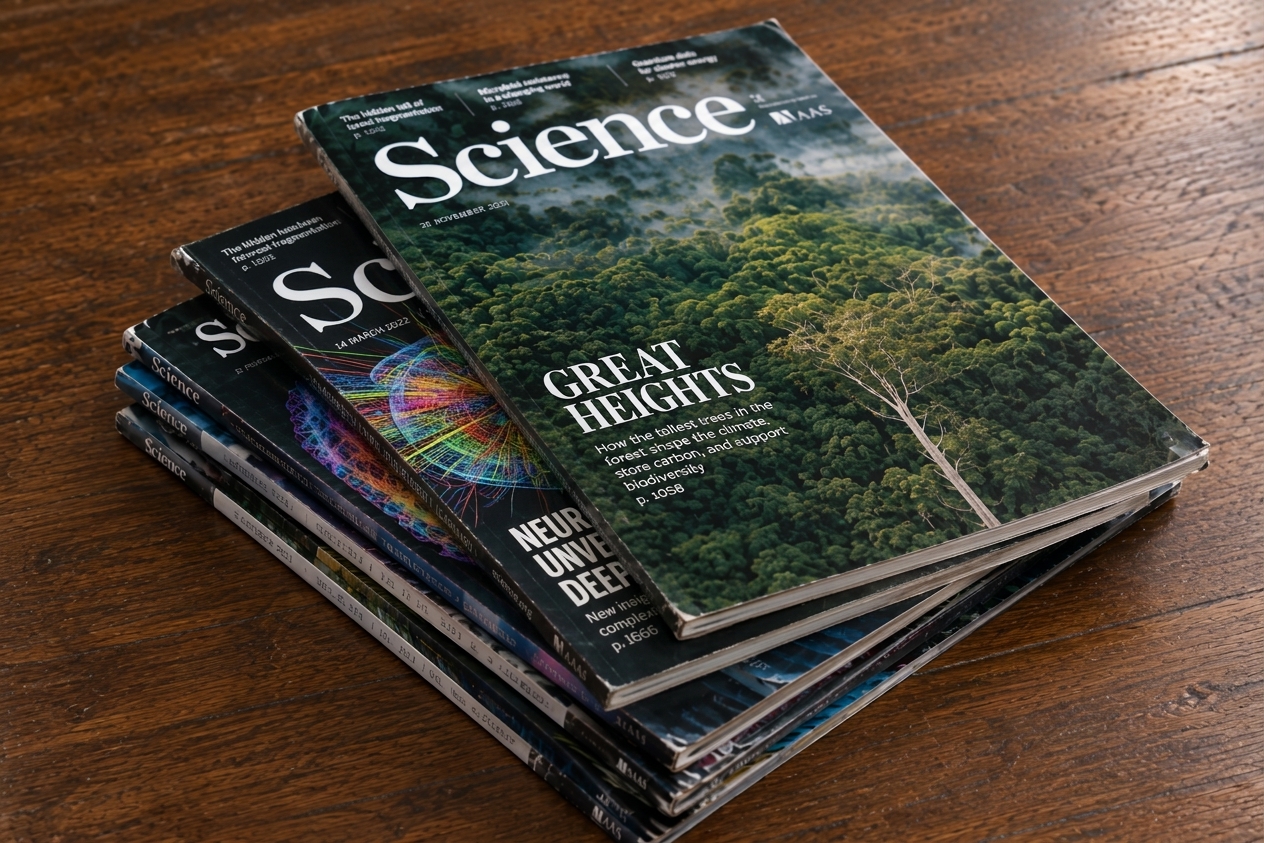
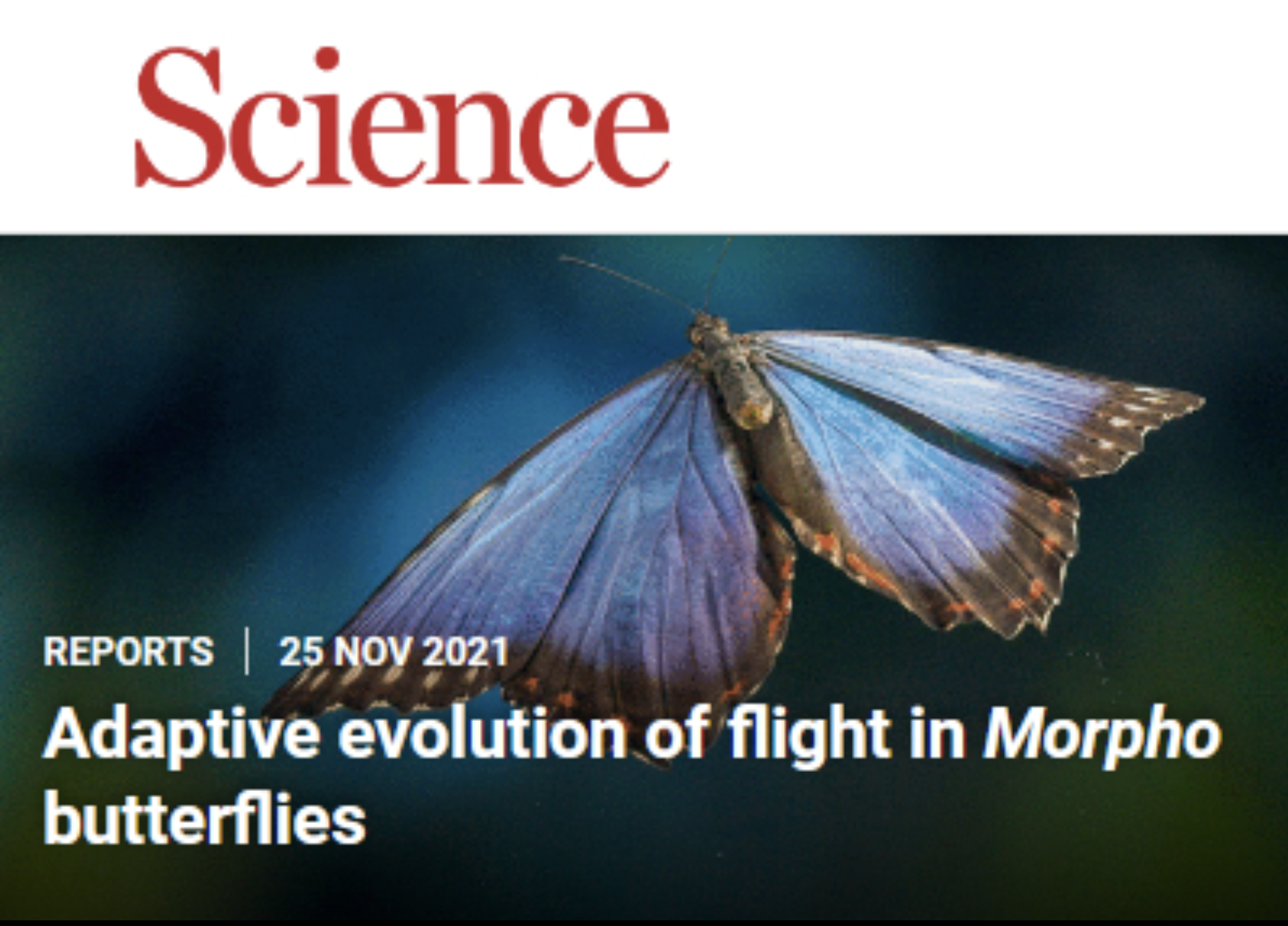
Spoiler: I'm convinced there is no magic trick. Publishing in a journal like Science during a PhD is no common fate, and I think students and researchers might find it interesting to hear the context, the choices, and the behind-the-scenes that made it happen.
Let me first say that plenty of great, groundbreaking research has been, is being, and will be done without being published in a journal like Science or Nature. While these journals are, in many ways, symptomatic of the flaws in academic publishing, this post is not a critique of the system (there are plenty of great articles and videos on that already). It's the story of my own journey to a high-impact publication.
Below, I’ve compiled what I believe played an important role, and mostly contributed to successfully publishing my research in Science.
A charismatic model species
There is no such thing as uninteresting research, but some topics are trendier than others, and some model species are more popular, especially with the general public.
My PhD was in evolutionary biology, in a team addressing all sorts of fascinating questions about how and why living things are so diverse. My project focused on butterflies, and on no less than the most iconic and beautiful group of butterflies: the genus Morpho (butterfly enthusiasts might debate that claim, but their fame is undeniable). The universal appeal of my model made every presentation, poster, and figure beautiful, or at least relatively easy to make look good. Beyond the visuals, I quickly realized that people were often interested in my research before even knowing my precise research question (which I'll describe below), simply because I was working on colorful butterflies.
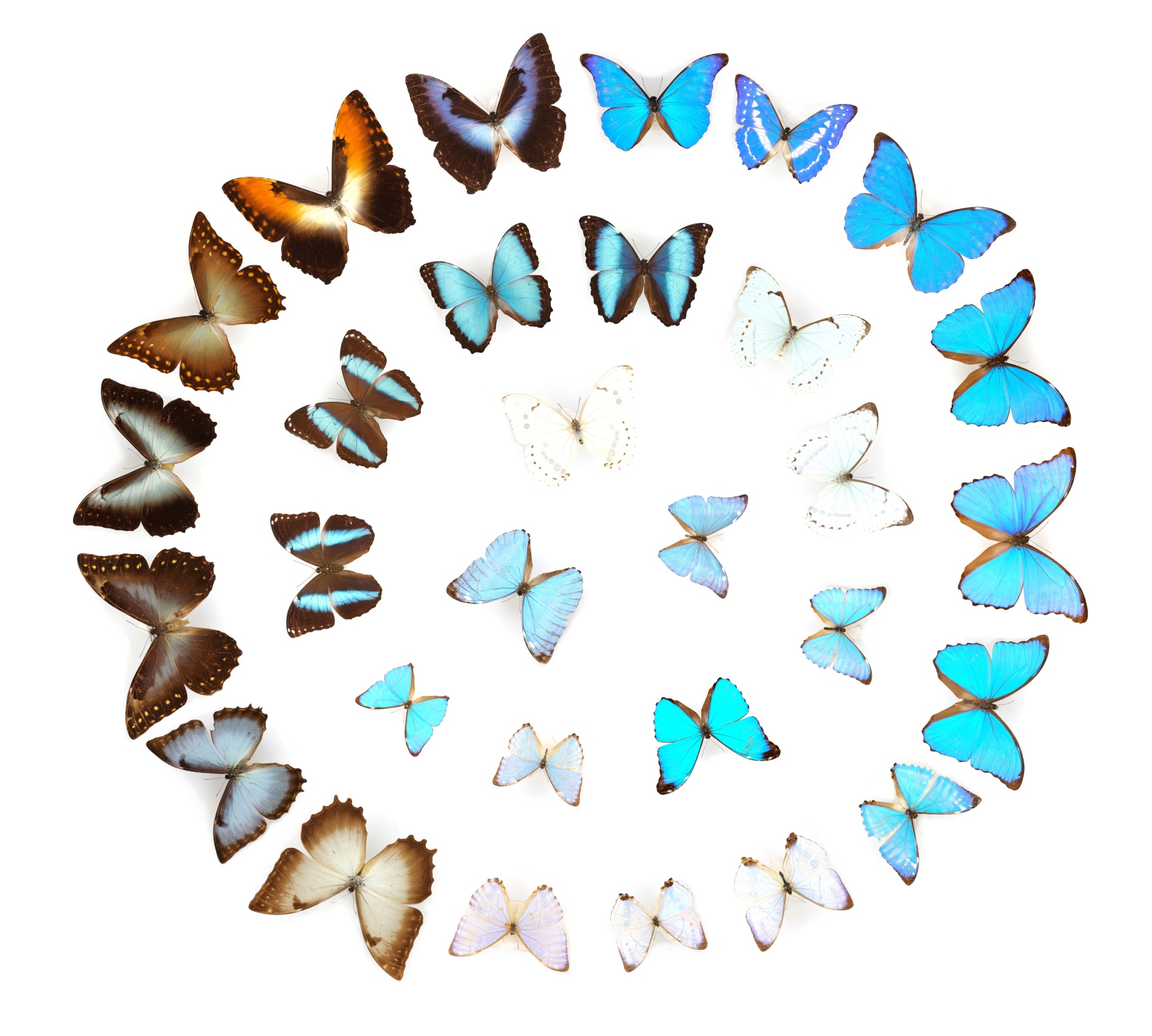
Much like people are generally more interested in a new study about pandas than one about earthworms, I believe the charisma of my model gave my research a larger-than-average reach, as if I had a bigger microphone to communicate my work. It's actually a nice perk of popular species: they amplify reach, especially among the general public, and spark curiosity beyond academic circles.
That said, a popular species gets you attention, not a paper in Science!
A head start on the literature
Doing good research requires being well aware of what has been done before: what we know, and what we don't. Digging into the literature is therefore one of the first things you do when starting a PhD. What I believe helped me most to get a clear big-picture view of the knowledge gap, and of the most relevant next move, is that I became familiar with my topic well before officially starting my PhD.
In France, doctoral programs are relatively short, but they frequently build on a candidate’s Master’s thesis. In my case, it was in many ways the prequel of my PhD, so I was able to write and publish a comprehensive literature review during my first year of PhD. This intense exercise gave me, I think, a really clear view of where my project sat within the larger research landscape, which is maybe not so common for a first-year PhD student.
A question only a combination of fields could answer
Nowadays, most if not all research is interdisciplinary. I have yet to meet a scientist who stays purely within one discipline without borrowing knowledge, methods, or tools from another field. Many ecologists are experts in remote sensing, many soil scientists are also microbiologists, and all modern geneticists can probably call themselves bioinformaticians. Overlap between disciplines is long-established; it's simply how science works.
So interdisciplinarity alone is less and less enough to justify the novelty of a study, even though it's still widely used in grant proposals and cover letters to show how our work stands out. What can still set a study apart is a combination of fields that lets you answer a question others couldn't: unusual pairings of approaches or tools (that might be well established in a few years) can have a strong effect and lead to unprecedented results. That unusual combination is what made our study different.
Getting back to my beautiful butterflies, I investigated how the colonization of the forest canopy by some species resulted in the evolution of divergent flight behavior and wing shape, compared with the species living in the cluttered understory of the forest. Demonstrating this evolutionary process required going well beyond the simple correlation of "hey, look at these closely related species living in different habitats: they look different and fly differently!"
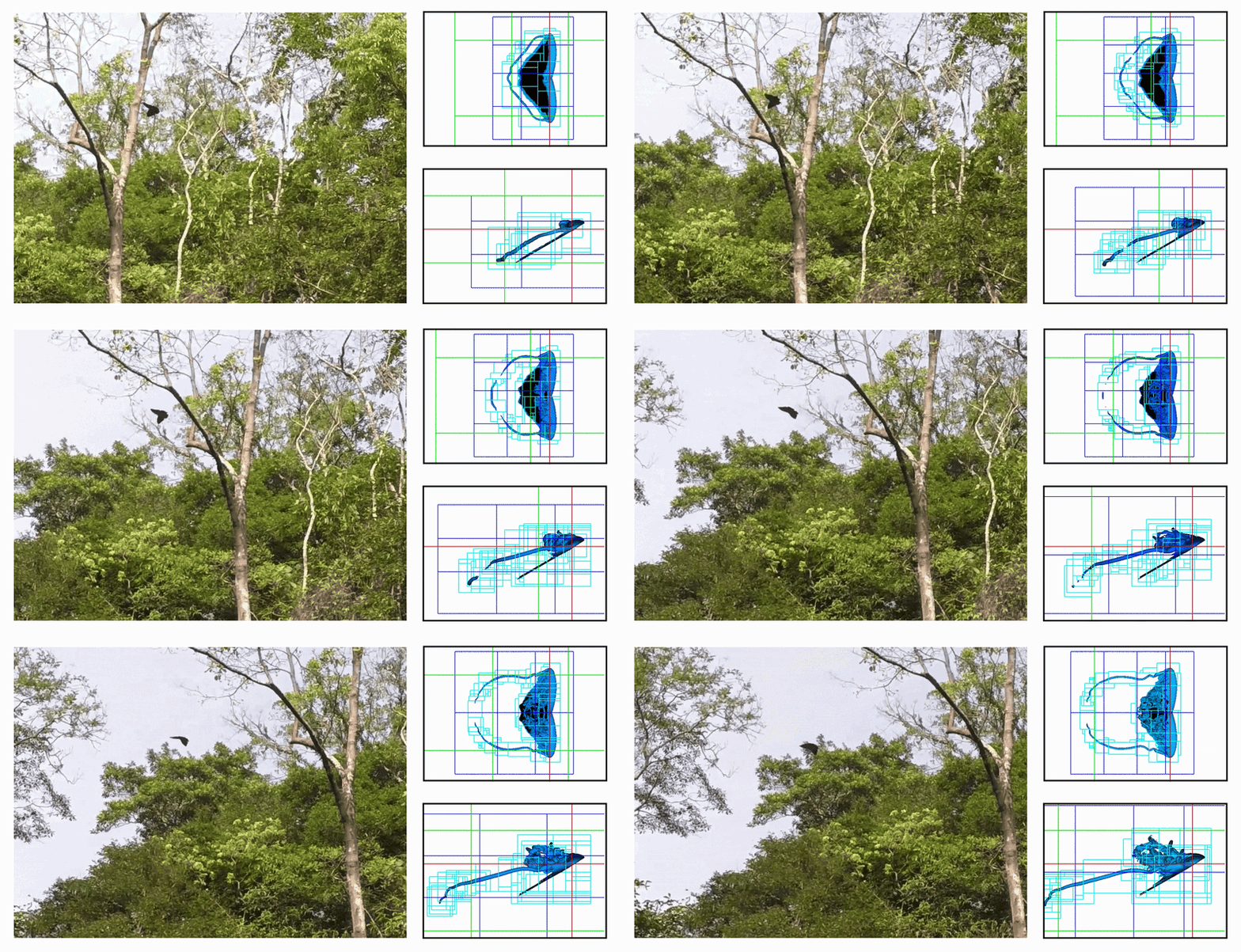
To get as close as possible to a causal demonstration, we had to show what the aerodynamic consequences of differences in wing shape are, and how they allow butterflies to fly more efficiently in the open canopy. To do this we combined field behavioral observations, high-speed 3D motion capture of freely flying butterflies, comparative phylogenetics, morphometrics, and computational aerodynamic modeling. It was particularly novel to assemble, in a single study, methodologies used by behavioral ecologists and aerospace engineers. This allowed us to show, in short, that the colonization of the canopy habitat has promoted drastic changes in wing shape and flight behavior, and that these are enhancing gliding flight performance.
The interdisciplinary nature of the work went so far that we almost felt it was problematic when thinking about who could review the study as a whole, as having expertise in all its parts was so unlikely. Obviously, a combination of reviewers from distinct fields was required.
Strategic writing and formatting
If you read papers regularly, you may have noticed that generalist journals (Science, Nature, Cell, PNAS…) have an unusual format. Instead of the traditional Introduction-Methods-Results-Discussion (IMRD) structure, they generally have an introduction, followed by one combined section where a relatively light description of the methods, the results, and the discussion all come together. To understand the methods in detail, you have to go find them at the end of the paper (often in a smaller font) or in the supplementary information.
Going through a PhD is largely about learning to structure your data, your results, and your thinking into a coherent paper. And we all start with IMRD, which is far simpler and cleaner to write. So how do you prepare for writing in a generalist-journal format? Well, you don't. Especially during a PhD, I think you should first lay out all your analyses and results, and discuss them in a dedicated section, in the traditional way, and only then, potentially, reshape the story.
My supervisors and I did not mention the possibility of submitting to Science until quite late, by which point I had already written a solid draft of my study in the most traditional format. I can still feel myself wincing at the idea of reformatting my entire manuscript when the "why not submit to Science?" question first came up. Honestly, the idea was not so exciting at the time: I thought I had already done the hardest part of writing that first draft! Plus, Science has an acceptance around 5%, so reformatting everything for such low odds was not particularly appealing.
To sum up: if you can see it coming early, writing your study directly in the generalist format can save you time. But my honest take is that it’s easier to start from a full, comprehensive version that already exists on paper, and use it as raw material to build the combined story.
Conclusion
You cannot simply plan and execute a publication in Science or Nature. It is the byproduct of alignment of multiple factors, that you can only partly influence. Some come down to luck: doing the right research at the right moment. Others are human: meeting the right supervisor and the right collaborators, with whom productive, meaningful research just flows (this may sounds cheesy, but it matters). It also helps enormously to have someone around, a supervisor or a colleague, who has been through it before and can sense when enough of these factors are aligned to give a paper a serious shot. That sense is not something you come up with on your own when starting a PhD.
Publishing in a journal like this brought an impressive spotlight and media coverage to my research, which is deeply rewarding after years of working like crazy and sweating over those results.
Some downsides exist, though. Generalist journals favor a short, efficient, story-driven format designed to reach as many readers as possible. That comes at a price: your work gets incredibly compressed, plenty of details end up buried in the supplementary material, and I found that this makes the methodology less readily accessible and hence the study harder to reproduce.
Feel free to book a free call or reach out via the contact form.
We can discuss how to structure your manuscript!